Why Remember Washington's Birthday
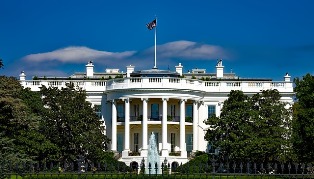
Today is the venerable President’s Day. And yes, it’s with an apostrophe “s” and not an “s” apostrophe. It is not a multiple presidents’ day, though many believe that it is and truthfully, it sometimes is. Confused? President’s Day is actually President Washington’s Birthday remembered. Today we celebrate our founding father’s birth with cherry pie (or any cherry desserts) because supposedly George said, “I cannot tell a lie; I chopped down the cherry tree.” That statement is much debated but given February 20 is National Cherry Pie day, why not serve some?
Anyway, back to President’s Day. It isn’t actually Washngton’s birthday. That’s on the 22nd. But we needed to celebrate him so we made his birth a federal holiday (that Monday holiday law which I will not debate here). No, we don’t celebrate Lincoln’s Birthday because that was the 12th. Though, we do often lump both presidents together because it’s convenient and saves our making a second holiday. People often believe that Washington’s friend and future president Andrew Jackson was included in this President’s Day and that’s incorrect. Jackson’s birthday isn’t until March 15.
So what are we really celebrating? Besides celebrating our first President and one of the founding fathers, we are also celebrating the successors to the office of the Presidency, right? At least that is what Nixon wanted but that would be a falsehood if you believe that. Neither Congress, nor Nixon, changed the official name of the holiday. No, we are only celebrating Washington’s Birthday.
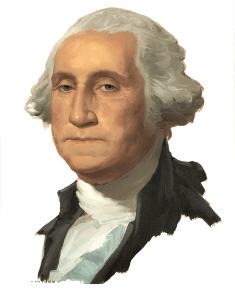
Yes, a lot of finagling has gone on over the holidays and moving them to Mondays, and what date was original (Julian vs Gregorian calendars). But what matters right now is the day is called Washington’s Birthday and is meant to recognize one man. Just to be sure there’s no doubt about what day the government celebrates, Washington’s Farewell Address is read aloud in the Senate, a tradition that began in 1862.
So what else is important? We give tribute to Washington because he was the general who created the first military badge of merit for the common soldier; in fact, there were three.
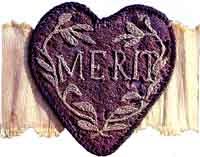
The Badge of Distinction for veterans non commissioned officers and soldiers who served more than three years and a second badge for non commissioned officers who served honorably more than six years. The last, and probably the most notable and historic, is the Badge of Merit. Described as: “whenever any singularly meritorious action is performed, the author of it shall be permitted to wear on his facings over the left breast, the figure of a heart in purple cloth, or silk, edged with narrow lace or binding.”
This Badge of Merit was given only three times during the American Revolution. But it became the reason behind General MacArthur’s behest for the Purple Heart in 1932. Thus, George Washington’s face became the stamp on the front of the Purple Heart Medal.
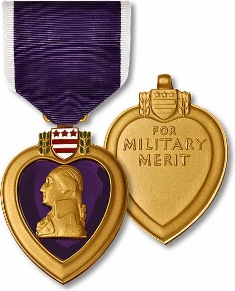
For this reason we can remember and honor our Founding President with pride. Sure, he was human and had slaves and was flawed in major ways. But I’m a retired, non-combat veteran and I am proud that this founding president thought so much of his soldiers that he wanted to reward them for sacrifice and service. He was the first and I am grateful.
We have 44 presidents since General Washington. Some we will never forget, some we will never remember. But of all who stood beside our flag, this first president was a man who cherished his servicemen, stood and fought beside them, worried over them, cried for them and cheered with them. He believed that honor was in how you served, how you behaved, and how you lived. Those beliefs made him a strong President on which to build a government.
He was the first. Happy Birthday General and President Washington. I salute you.
Thanks for stopping in.
I remain, Yours Between the Lines,
Sherry


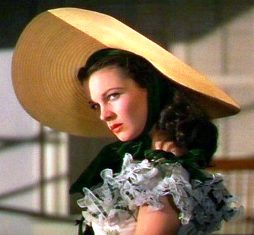
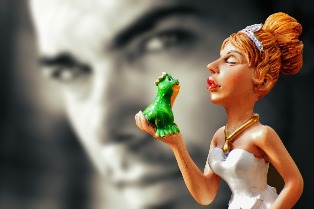
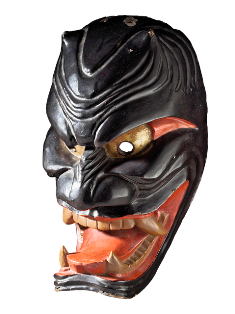
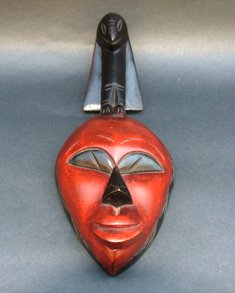
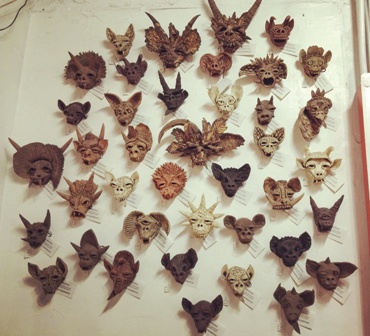
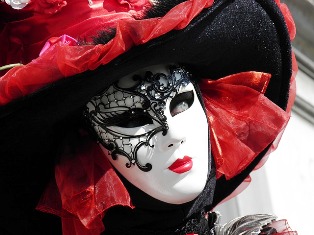 Much of who we are comes from how we humans design identities to our bodies. And beyond sexuality (a discussion for another day), much emphasis is placed on our various body parts but most of our identification comes from our faces. Our face is our “self.” Age and biological features such as “you look just like your Mom,” are often obvious ways we mark our identities. Other symbolic identities like our social identity and status require our face in order to express or alter our identities. How is this done? By adding or subtracting something like cosmetics, costumes, hairstyles or masks. Or a combination of all of those. Our masks therefore, are important.
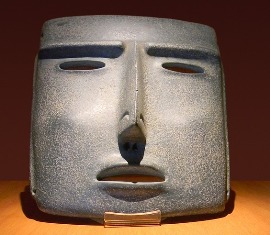
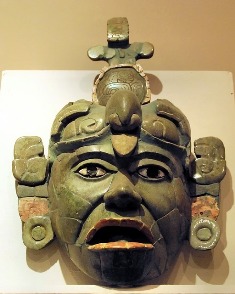
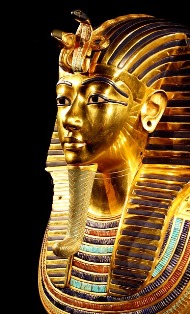 The early Christian Church took a dim view of masking and suppressed it whenever possible. This was partly due to masks’ association with pagan rites, and partly because of the immoral behavior that was often released through the anonymity afforded by the mask. However, the Church’s efforts at suppression were not entirely successful. In rural Europe, masking customs survived as Carnival and Mardi Gras; with the rise of the Commedia del’ Arte during the Renaissance, and the subsequent popularity of secular theater, masking firmly established itself in European traditions.
 Arizona